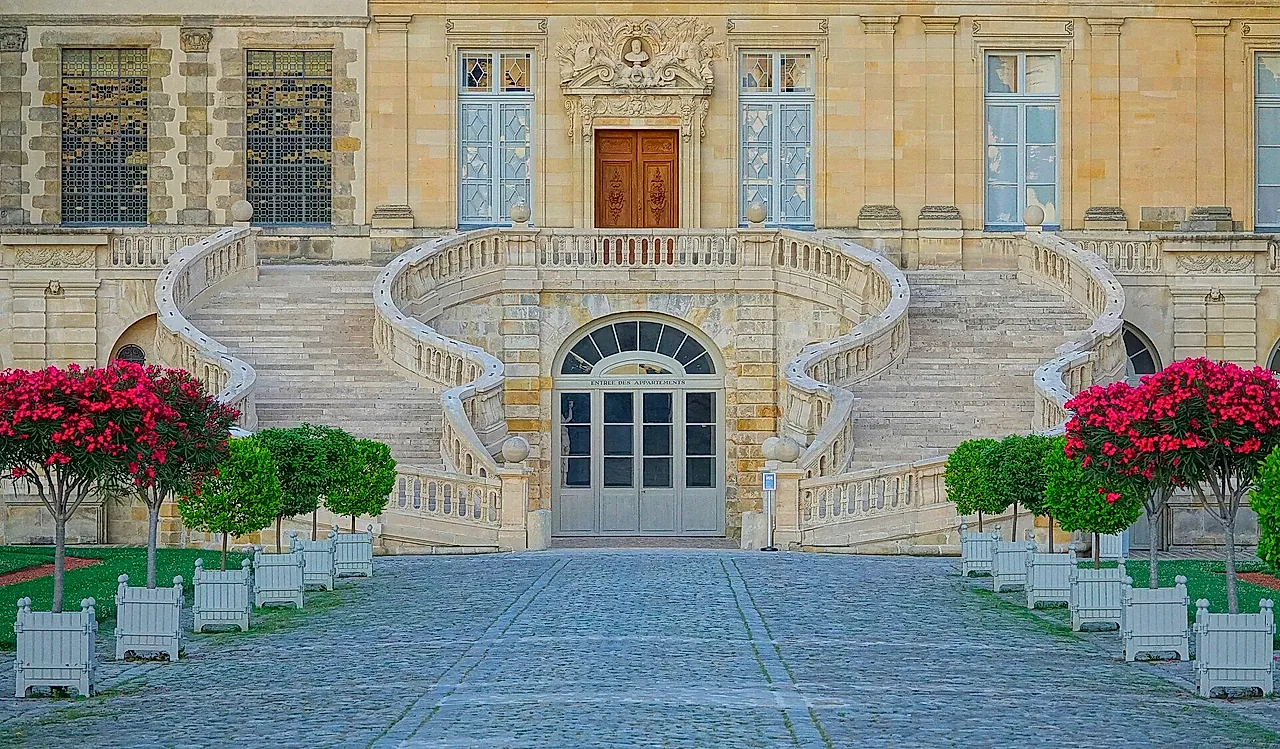
Fontainebleau · One hour from Paris · Royal château
Château de Fontainebleau: tickets, hours and day trips from Paris
The home of French kings and of Napoleon, with the Gallery of Francis I, the royal apartments and gardens, an easy day trip from the capital. Book your ticket and plan the day.
Today
Opening hours for every month are on the Opening hours page.
Checked against the official website on 30 October 2026 · Official source
In short
- The château is closed on Tuesdays, and also on 1 January, 1 May and 25 December. The courtyards and gardens stay open every day, and entry to them is free.
- From April to September the château is open from 9:30am to 6pm, and from October to March from 9:30am to 5pm. Last entry is 45 minutes before closing.
- Allow about two hours for the route on your own. Booking in advance is not compulsory, but a ticket on your phone means one thing less to sort out on the day.
- A train from Paris Gare de Lyon takes about 40 minutes, plus a short bus ride to the château.
Centuries of royal rooms
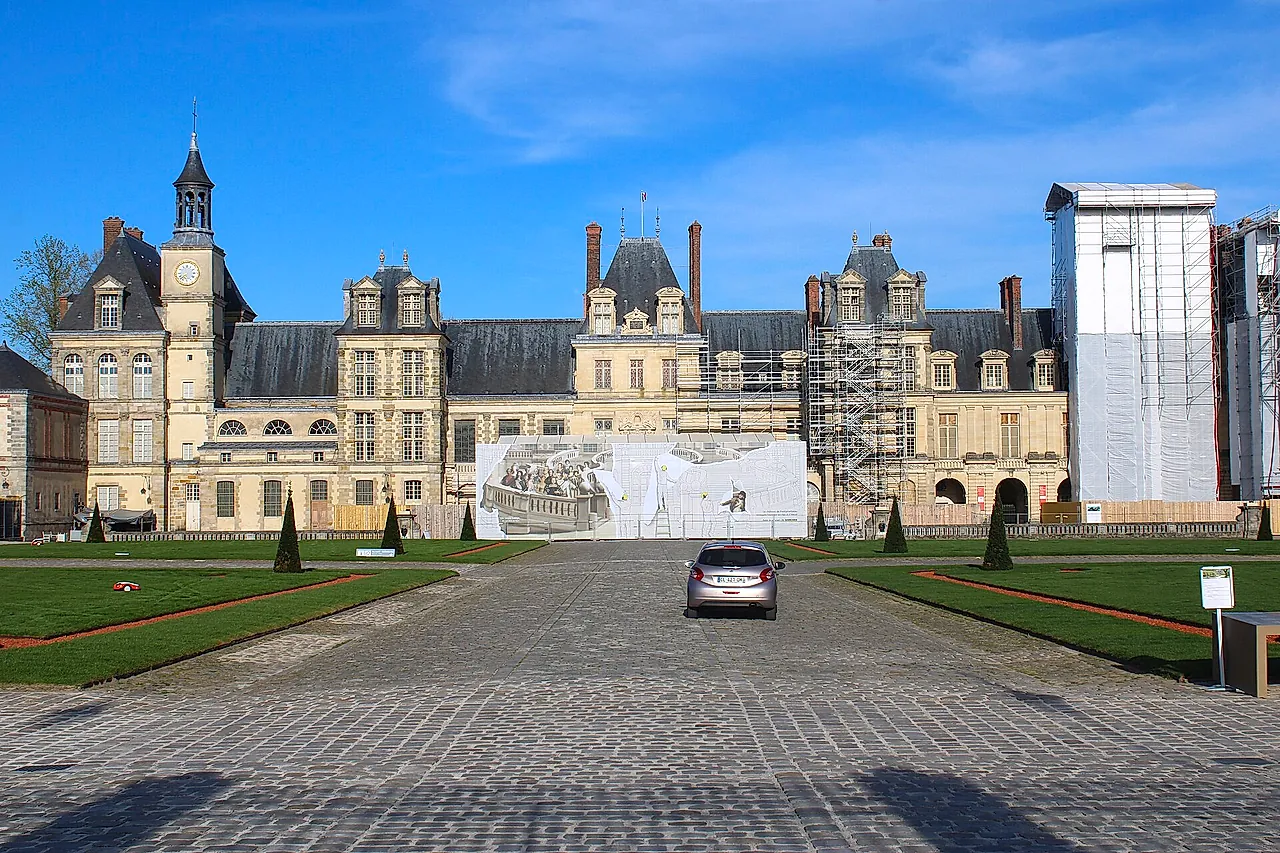
Fontainebleau began as a royal hunting lodge in the 12th century, and the chapel was consecrated by Louis VII in 1169. Francis I turned it into a true palace and, between 1528 and 1539, had his great gallery decorated by Italian artists, Rosso Fiorentino and Primaticcio, with frescoes and rich stucco. This was the birth of the first School of Fontainebleau.
Next come the Ballroom of Henry II, from around 1552, with its coffered ceiling and frescoes by Nicolò dell'Abate after drawings by Primaticcio, the Chapel of Saint-Saturnin, rebuilt under Francis I, and the King's Staircase of 1749, with paintings of the loves of Alexander the Great. In 1601-1606 Henry IV redid the façades of the courtyards.
Napoleon at Fontainebleau
Napoleon made the château his own. In 1804 he received Pope Pius VII here, and from 1812 to 1814 he kept the pope as a prisoner. On 4 April 1814 he abdicated, and on 20 April he said farewell to the Old Guard in the Cour d'honneur. You can see the Throne Room and his apartments, and the Napoleon I Museum, which is included in the ticket.
The château also holds the boudoir and games room of Marie Antoinette, from 1786, the last visit of the royal family before the Revolution, and a theatre in the Louis XVI style, ordered by Napoleon III and restored in 2014. The Chinese Museum of Empress Eugénie, in the Gros Pavilion, is a separate visit, not included in the ticket.
The gardens and the carp pond
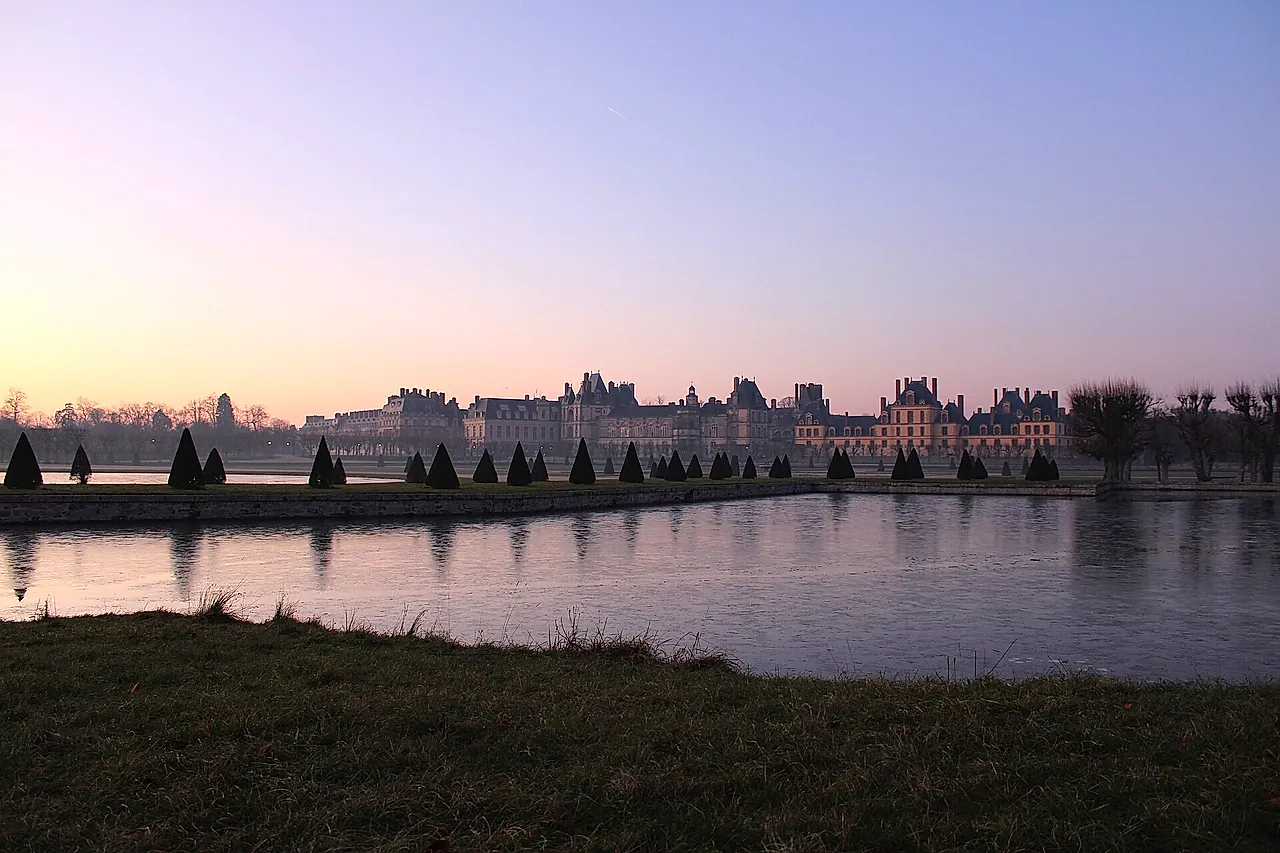
The courtyards and gardens are free and open every day, so even on a Tuesday, when the château is closed, you can walk around. There is the Garden of Diane, the Carp Pond with its pavilion, and the English Garden, with the spring called Belle-Eau that gave the town its name. The park around the Grand Canal is always open.
Exhibitions and practical details
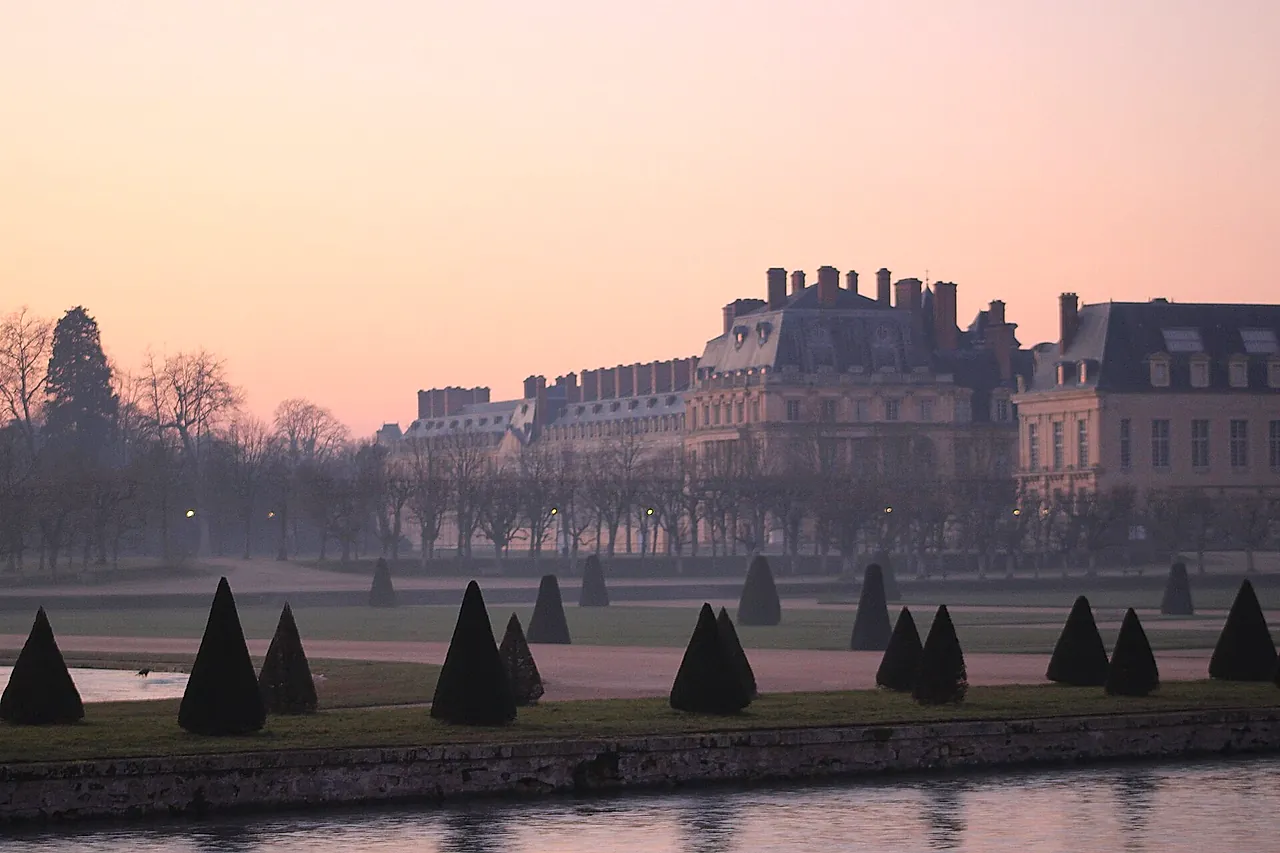
From 11 October 2026 to 27 January 2027 an exhibition looks at Marie Antoinette and Louis XVI at Fontainebleau, and temporary exhibitions are included in the ticket. A route on your own takes about two hours. You can also take a guided tour of 30 minutes to 2 hours, and there is a video guide in 11 languages.
Visitor guide
Paris Tickets: What to Book and How to Choose
How to choose tickets for Versailles, the Eiffel Tower, Orsay, Sainte-Chapelle, the Arc de Triomphe, Seine cruises and day trips from Paris.
Paris in 3 Days: An Itinerary That Really Works
A three-day Paris itinerary built around closing days: Sainte-Chapelle, the Louvre, a Seine cruise, Orsay, the Eiffel Tower and the Arc de Triomphe.
Day Trips from Paris: Versailles, Fontainebleau, Chantilly
Day trips from Paris compared: Versailles, Fontainebleau, Chantilly, Vaux-le-Vicomte and Disneyland, with train times, closing days and tickets.
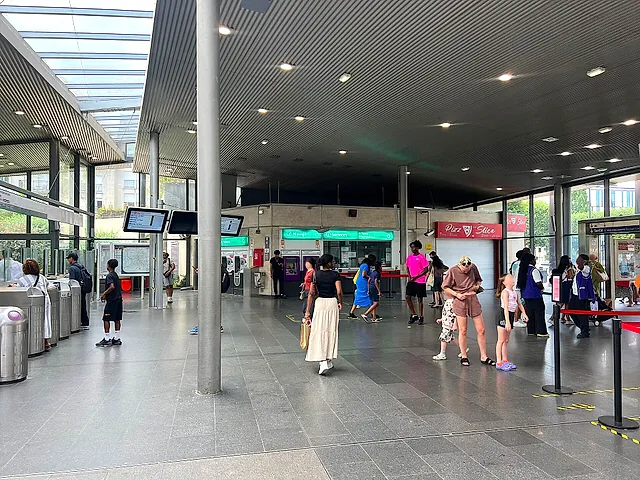
Getting Around Paris: Airports, Metro and RER
How to get from Charles de Gaulle and Orly to central Paris, which RER goes to Versailles and Disneyland, and how to use the metro for the main sights.
Louvre Visit Guide: Hours, Highlights and Tours
Plan your Louvre visit: opening days and late evenings, what not to miss, what you can bring in, and which guided tour suits your time.